Our Impact

Aid Delivery

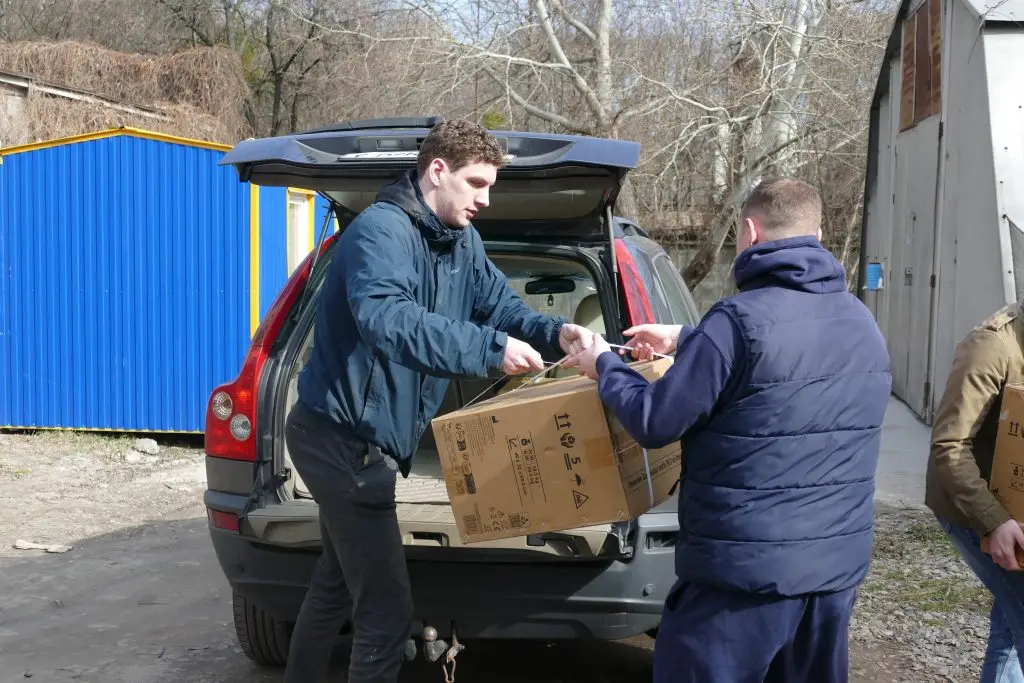
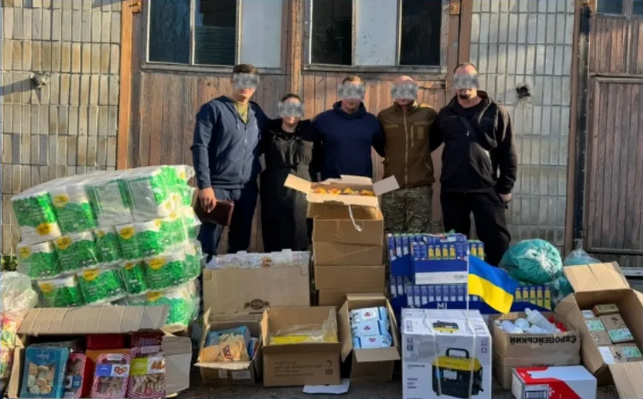
The primary goal of all of our missions is the delivery of crucial aid to those that need it most. The amazing support of civil society and Western countries has already provieded much help, so we are bringing what is still lacking most: medical evacuation vehicles and generators. 

Used by paramedics and struggling personnel on the front lines, these generators make working and surviving in a warzone slightly easier.

Conducting Interviews

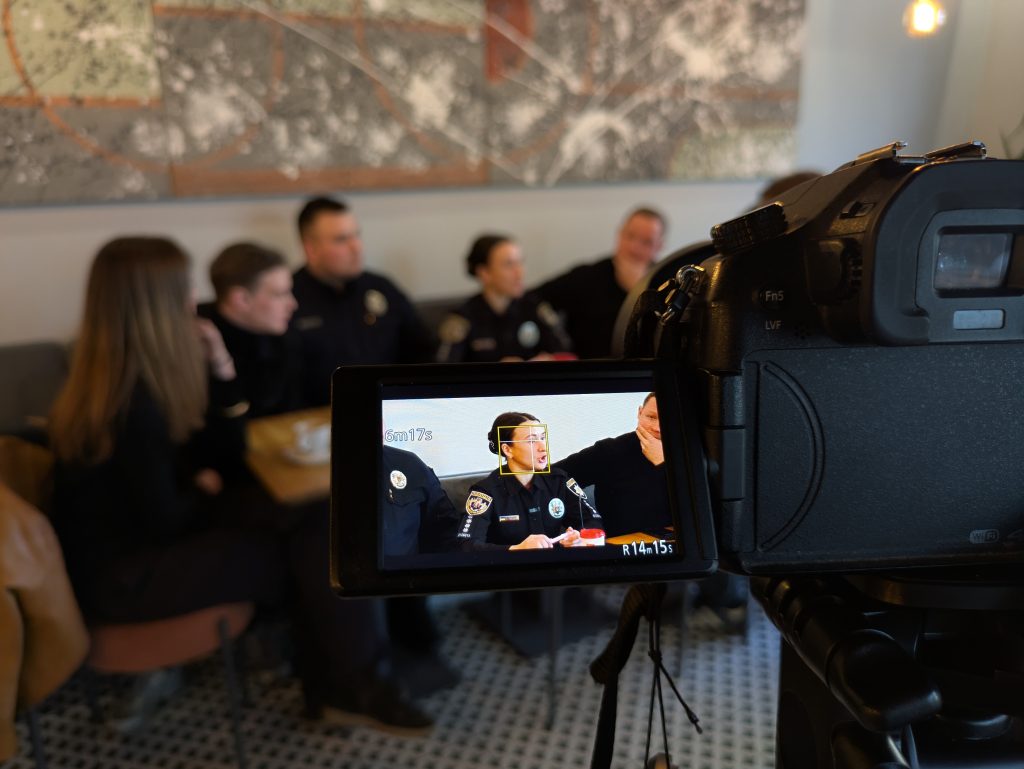
Another part of our mission is advocacy namely in the form of conducting interviews in Kyiv. Amongst those interviewed have been a Police Captain, the Deputy Chief of the Kyiv Military Administration, several Special Forces and Intelligence Soldiers, and young people also engaged in civil society. 
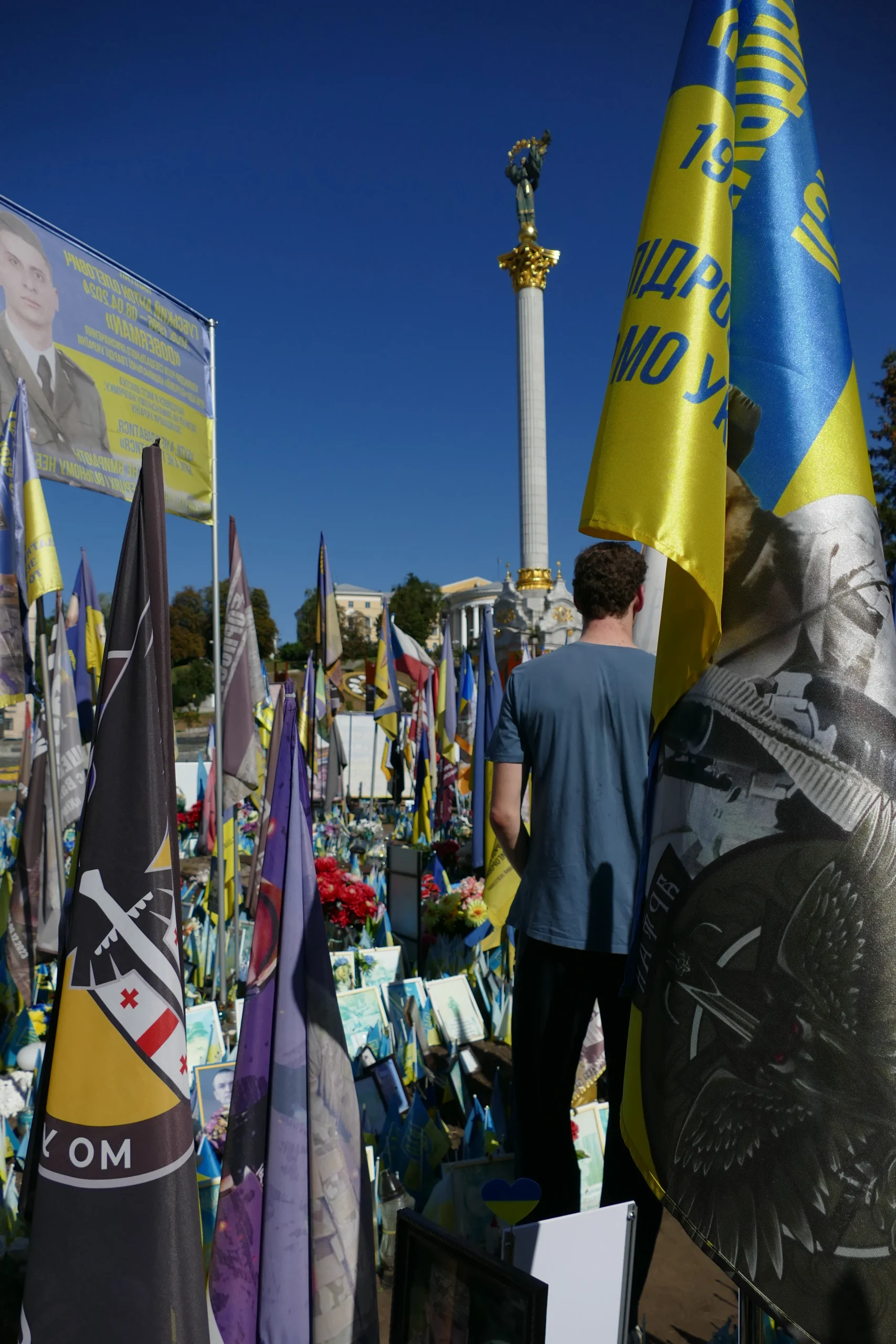
These interviews have given us the opportunity to explore what life at war is like beyond the headlines and what daily life means like after four years of horror. 

Refugee Evacuation

Above all, we have learned to adapt to the needs of those we are helping. We are regularly receiving specific requests that are beyond what we usually do. One of which has been paying for and organizing the evacuation of 12 refugees from the Polish-Ukrainian border to Northern Germany. 
We are always prepared to engage in new tasks.

Previous Missions

Where is our aid now?

Where have we been?

Mission I

From June 24th to 27th, we used our collected donations to guide and finance a group of Ukrainian refugees from Odessa, Kharkiv, and Donetsk from their beloved but threatened homes to an unknown yet safe new daily life near Neumünster.


Mission II

The generators that were delivered are used right now in hospitals and ambulances in Sumy, Kramatorsk, and the general Donetsk region, whilst our Volvo has been refitted into an evacuation vehicle in Sumy, ensuring safe transport and care of injured soldiers and civilians.

Mission III

During our latest mission, we were able to donate yet another medical evacuation vehicle as well as seven 2000W generators that are now being used mainly by paramedics in Donetsk. During our stay, we also interviewed many high-ranking Ukrainian officials about their experience with the war.